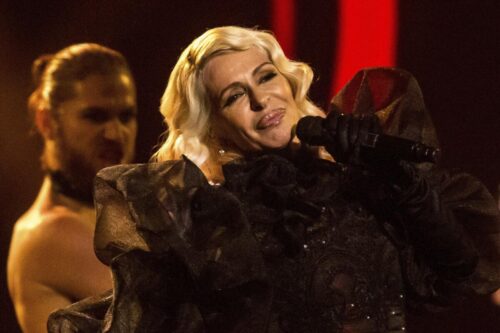
Spain’s Eurovision entry, “Zorra,” has stirred controversy due to its title, which carries connotations of an anti-female slur. This has ignited debates among conservatives and feminists, with Socialist Prime Minister Pedro Sánchez expressing his support for the song.
Selected as Spain’s contender for the Eurovision song contest in May, “Zorra” by the duo Nebulossa has garnered significant attention. It became the most viral tune in Spain on the music platform Spotify and ranked third worldwide as of Wednesday. However, criticism has also surfaced.
The Feminist Movement of Madrid lodged a complaint against the song this week with state media, calling for its withdrawal from Eurovision, citing its perceived insult to women. Additionally, Spanish Bishop José Ignacio Munilla condemned the song, stating that it denigrates women and reflects a cultural crisis in Spain.
In an attempt to mitigate controversy, Spanish National Television and Nebulossa have opted to translate the title “Zorra” as “vixen” in English for the contest. Nevertheless, the Spanish word carries stronger negative connotations.
María Bas, one of the singers in Nebulossa, defends the song, arguing that it aims to champion women. She explains that the lyrics confront the derogatory term “zorra,” highlighting the injustice of how women are labeled regardless of their actions.
Both Spanish state broadcaster RTVE and the European Broadcasting Union, which oversees the contest, have endorsed Spain’s entry despite the controversy.
When questioned about his opinion on a television program, Prime Minister Sánchez expressed his admiration for the song and humorously speculated that right-wing critics might have preferred an anthem reminiscent of the former dictatorship under General Francisco Franco. He emphasized that feminism can also be embraced with a sense of enjoyment.
In essence, “Zorra” has sparked discussions not only about its artistic merit but also about the complexities of gender dynamics and cultural perceptions in Spain.