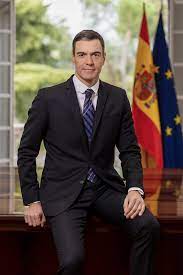
As previously reported, Spain’s recently re-elected Prime Minister Pedro Sánchez secured a renewed mandate, receiving the backing of 179 lawmakers in the country’s 350-seat parliament. However, his victory was not without opposition, as 171 deputies from the centre-right Popular Party and the far-right Vox voted against his re-election.
In a noteworthy move toward gender equality, the newly formed government, unveiled recently, will see women occupying 12 out of 22 ministerial posts. Prime Minister Sánchez emphasised the government’s feminist orientation, highlighting the inclusion of four women deputy prime ministers and a higher number of female ministers than their male counterparts.
“The new government is going to have a marked feminist accent with four women deputy prime ministers and more female ministers than male ministers,” Sánchez declared.
While some key posts remain unchanged, the Cabinet will welcome nine new ministers. Notable continuations include Nadia Calviño in the economy portfolio, José Manuel Albares overseeing foreign affairs, and Margarita Robles retaining the defence portfolio.
Sánchez’s Socialist party will dominate the Cabinet with 17 ministries, and its leftist coalition partner, Sumar (Joining Forces), will preside over five portfolios. Notably absent from ministerial positions is the outgoing government’s former far-left coalition partner, Unidas Podemos (Unite We Can), marking a shift in the composition of the new administration.
The controversial aspect of Sánchez’s re-election emerged in the aftermath of his parliamentary victory, as he secured the support of two Catalan separatist parties. In exchange, a contentious amnesty proposal was offered, aiming to pardon hundreds of individuals entangled in legal issues stemming from Catalonia’s failed secession attempt in 2017.
The proposed amnesty has ignited substantial public outcry, prompting widespread protests organized by the Popular Party and Vox. Some protests, held by extreme right-wing groups near the Socialist Party’s headquarters in Madrid, resulted in clashes with law enforcement.
In response to the tumultuous start to his new term, Prime Minister Sánchez expressed a commitment to prioritizing dialogue and negotiation. He underscored the importance of fostering social and territorial cohesion in Spain during the upcoming legislative period. As the nation navigates through these early challenges, Sánchez’s emphasis on inclusivity and dialogue sets the tone for his administration’s approach to governance.