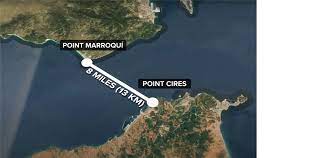
In a historic move poised to reshape transcontinental connectivity, Spain and Morocco have taken significant strides towards realising a long-envisioned project: the construction of a 17.2-mile underwater tunnel linking the two nations. While discussions for such an infrastructure began as far back as the late 1970s, concrete progress has been elusive until now.
Spain’s Transport Minister, Óscar Puente, has emerged as a pivotal figure in reigniting hopes for the Fixed Link Project for the Strait of Gibraltar. Puente, succeeding his predecessor Raquel Sánchez, who first revitalized talks in February 2023, has underscored the strategic importance of the endeavour for both countries and their broader regions.
In a recent development, the Spanish government confirmed the allocation of £1.96 million (€2.3m) of European funds towards updating studies related to the project, signalling a tangible commitment to its advancement. During a visit to Morocco, Minister Puente expressed eagerness to expedite discussions, emphasising the need for collaboration between Madrid and Rabat to propel the initiative forward.
The impending meeting between Spanish and Moroccan officials holds promise for furthering the project’s development, with plans underway to establish collaborative frameworks encompassing various transport initiatives. Puente stressed the significance of leveraging the strong bilateral ties between Spain and Morocco to foster infrastructure growth, citing mutual benefits in economic, cooperative, and migratory realms.
The envisioned tunnel, as detailed by reports from Spanish daily La Razon and Moroccan state-owned media SNRTNews, is anticipated to span approximately 26 miles, incorporating a 17.2-mile underwater passage alongside a 6.3-mile underground segment. Described as a high-speed rail link, the project holds transformative potential for facilitating cross-border movement and bolstering regional connectivity.
While exact specifications and timelines remain subject to official confirmation, the initiative represents a landmark undertaking with implications extending beyond mere physical infrastructure. Rooted in decades-old aspirations for closer ties between Spain and Morocco, the prospective tunnel embodies a symbol of cooperation and progress transcending continental boundaries.
As the project inches closer to realisation, anticipation mounts for the transformative impact it could wield on regional dynamics, economic integration, and cultural exchange. With Spain and Morocco poised at the cusp of a new era in transcontinental connectivity, the forthcoming tunnel stands as a testament to the power of collaborative vision and cross-border cooperation in shaping the future of nations and continents alike.