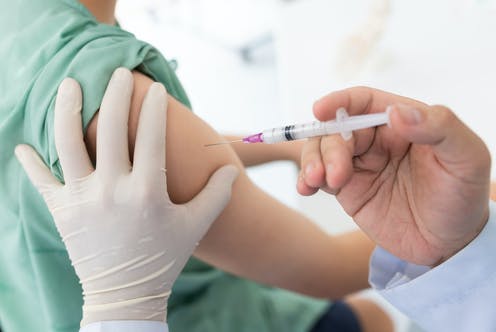
Valencia’s Ministry of Health claims that all citizens over 80 have been vaccinated, at least with a first dose, despite several people within this age group claiming that they have not yet had their first dose.
Health authorities confirmed on Saturday that it had reached the goal of vaccinating all those over 80 which, according to the publication of the latest data update from the Ministry of Health, is a total of 276,733 people. There is some confusion over figures as the aim was to vaccinate 276,531 people over 80 – so 100.1% of octogenerians have had at least one jab. However, the figure could reflect those that turned 80 very recently.
In any case, there are several people over 80 who claim not to have received the first dose. Specifically, reports in Sunday’s edition of Información claim delays Vinalopó and Torrevieja.
In some cases, patients were not notified, while, in other cases there were errors in the data, due to the uncertainty of the patient or other causes.
Meanwhile, public health plans to administer 213,834 doses of the Pfizer, Moderna and AstraZeneca vaccines this week. Most of these will go to people born between 1942 and 1946 (106,750 doses of Pfizer) and between 1956 and 1958 (70,000 doses of AstraZeneca).
17,000 doses of the Moderna vaccine will go to people with at risk health conditions. The remainder, making up the total, are second doses pending. In the case of the groups of the age groups that are next in line, Ministry officials emphasize that they should not go to their vaccination centre if they have not received an SMS or a telephone call telling them to do so.
No AstraZeneca for under 60s
Spain decided it will not administer the AstraZeneca vaccine to under 60s amid concerns about blood clots.
Spain limits vaccination with AstraZeneca to people over 60 years of age. The radical change in strategy leaves two million active “essential” workers, mainly teachers and police officers, who have already received the first dose in limbo.
Spain, like a number of other European countries, declared late last week that it would be stopping use of the controversial Oxford-AstraZeneca formula in people under 60.
The decision came after the latest European Medicines Agency (EMA) confirmed a ‘link’ between the vaccine and the rare blood clots found among relatively young, newly inoculated people, especially women aged between 16 and 60. The EMA do not know the cause and insisted that the benefits continue to outweigh the risks. The use of the vaccine is favourable among older people because the chances of becoming seriously ill or dying from covid far outweigh the chances of suffering complications caused by a blood clot.
For the health workers waiting for their second dose of AstraZeneca, the Health department will study the possibility of inoculating them with another brand (an option that until now had been categorically rejected by the ministry’s own specialists) or leaving them only with one dose, trusting that they will develop immunity – thought to be 70%, as promised by the laboratory.
Head of the EMA Risk Assessment Committee, Sabine Straus, confirmed that the regulator has already documented 228 episodes of embolisms (169 brain and 59 abdominal), including 18 cases of deaths vaccinated people, after the administration of some 30 million doses.