 Valencian Community health officials have launched a series of videos via social media channels to answer frequently asked questions about the Covid-19 vaccine. As most of the general population are due to be vaccinated next month and beyond, many queries surround vaccination in minors, pregnant women, chronically ill patients and those with immune disorders.
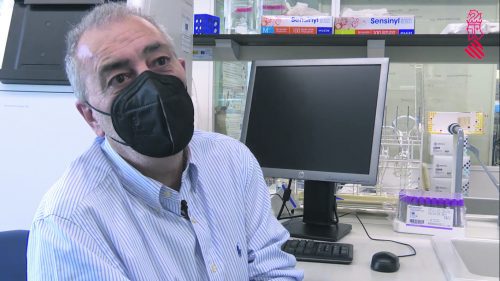
The Conselleria de Sanidad Universal y Salud has produced a series of short videos with the aim of trying to solve the most frequent doubts among members of the public about vaccination against Covid-19.
With the help of an expert, questions such as how long immunity lasts or whether vaccination protects against new variants of the virus are addressed. Each video addresses different questions such as how vaccination affects immunosuppressed people, pregnant women, chronically ill patients, minors or people who have already overcome the disease. The videos, in Spanish, are available on YouTube and on the @GVAsanitat twitter account.
In addition to briefly explaining the characteristics of each of the vaccines authorized for use in Spain – Pfizer, Moderna and AstraZeneca – and their efficacy, the videos clarify questions such as what would happen if the second dose is not administered when appropriate, if it has been delayed by several days or even weeks: “Nothing would happen, only that that person would remain in partial protection until he received the second dose, as he was before,” says the video.
Nor would anything happen, the videos explain, if by mistake a second dose of a different vaccine was administered after the first dose, “there are even studies, still in design, that intend to purposely combine the vaccines because perhaps it could improve the immune response or cover more possible variants or mutations.”
The videos also assure that there is no incompatibility between the Covid vaccine and any drug for blood pressure, diabetes or any other chronic disease. However, the videos also point out that it is advisable if a patient knows that (s)he is allergic to any of the components of the vaccine – which very few are – to say so at the health centre so that special precautions can be taken.
In terms of the duration of immunity, everything indicates that it will be greater than one year, although it has not been ruled out that it may necessary to revaccinate later, for now though, it is too early to know. Vaccinated people will also have to continue taking precautions, not so much for themselves, but to avoid infecting others.
So far, only 1.84% of those offered the vaccine in the Valencian Community have refused.
Security forces next in line
The Ministry of Health will this week begin to vaccinate members of the security forces and emergency services. These groups account for around 24,000 doses out of the 79,400 that are expected to be administered in the coming days.
As well as security forces, vaccination will continue for at risk members of the public as well as professionals most exposed to the virus. Thus, some of the doses will be administered in nursing homes where it was not possible to vaccinate before due to active outbreaks. People with disabilities and those over 80 are also receiving doses.
Ximo Puig expressed his gratitude “once again” to the health workers “who are piloting and executing this vaccination process with exemplary work.”
The vaccination of security forces and emergency personnel, together with those over 80 and other vulnerable groups, is one of the key strategic points of action prior to the mass immunization programme of the general population, which is scheduled to start next month.
Authorities expect to vaccinate approximately half of the population of the Valencian Community in three months, at an approximate rate of 400,000 weekly doses.